Beyond the Price Tag: Measuring Office Design ROI
Office fitouts are investments, not expenses. Learn how to measure the real impact of your workspace design—from productivity gains to staff retention—and prove the business case for better design.



Office fitouts are investments, not expenses. Learn how to measure the real impact of your workspace design—from productivity gains to staff retention—and prove the business case for better design.

In the endless scramble to secure prime office real estate, many businesses forget that the address is only part of the equation. What happens inside those walls—and how effectively that space enables your team to work—is where the real strategy lies. Workplace strategy steps in as the critical framework that redefines the process of selecting and designing an office.
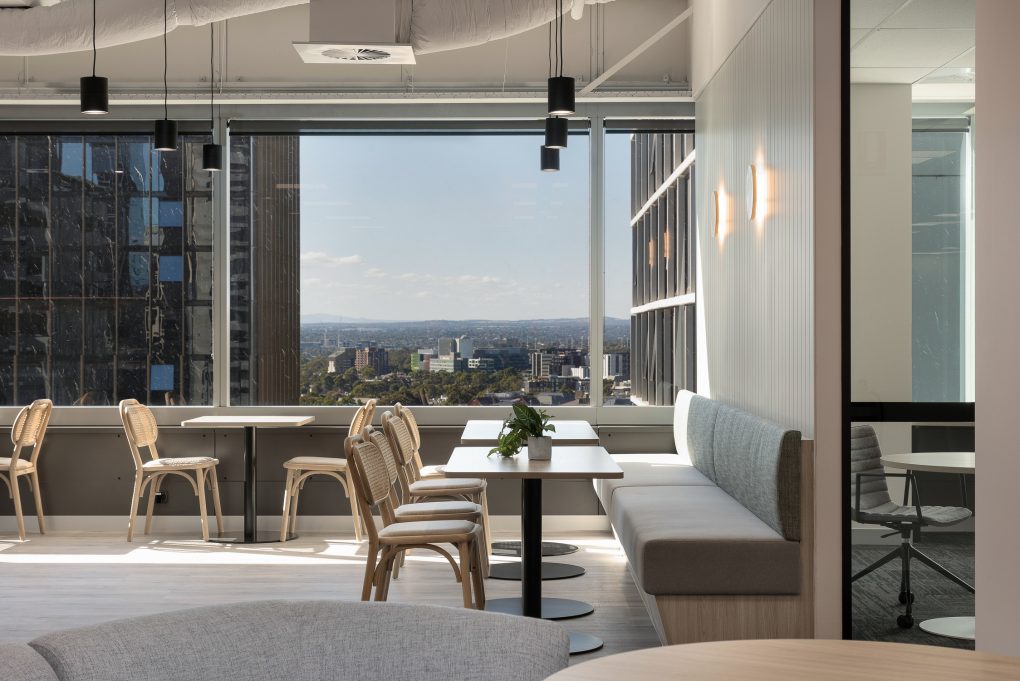
Does your office space support talent retention and attraction? In the competitive landscape of talent acquisition and retention, the design of your office space can be a game-changer.
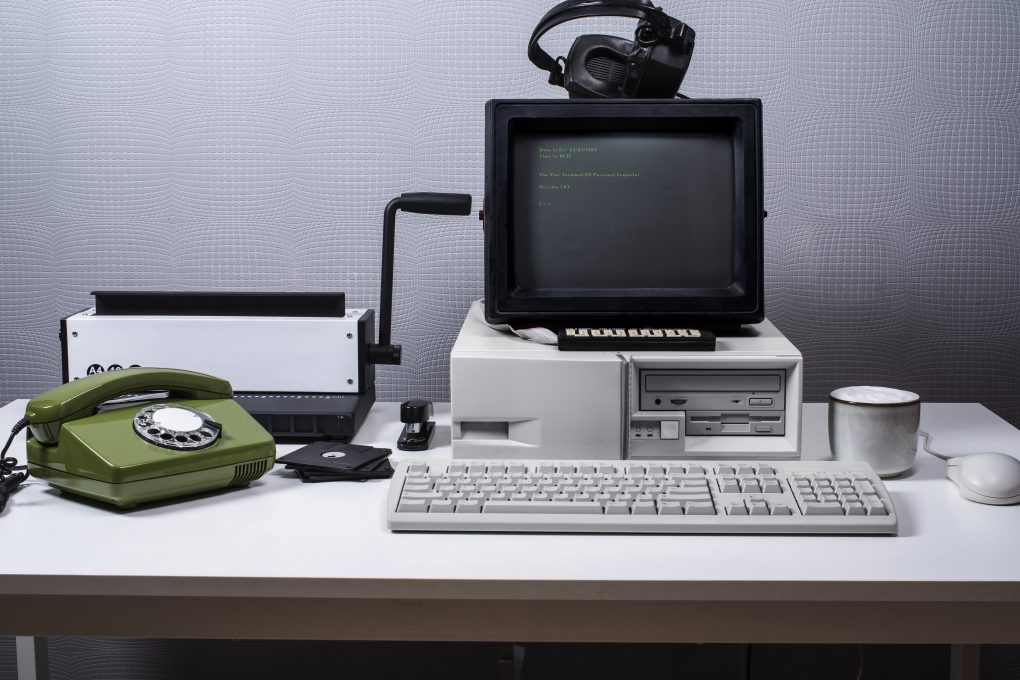
In the world of office real estate, the signs that it’s time to upgrade your workspace are often subtle, lurking in the shadows of daily operations, whispering through the complaints of employees, and hinted at by underutilised desks.
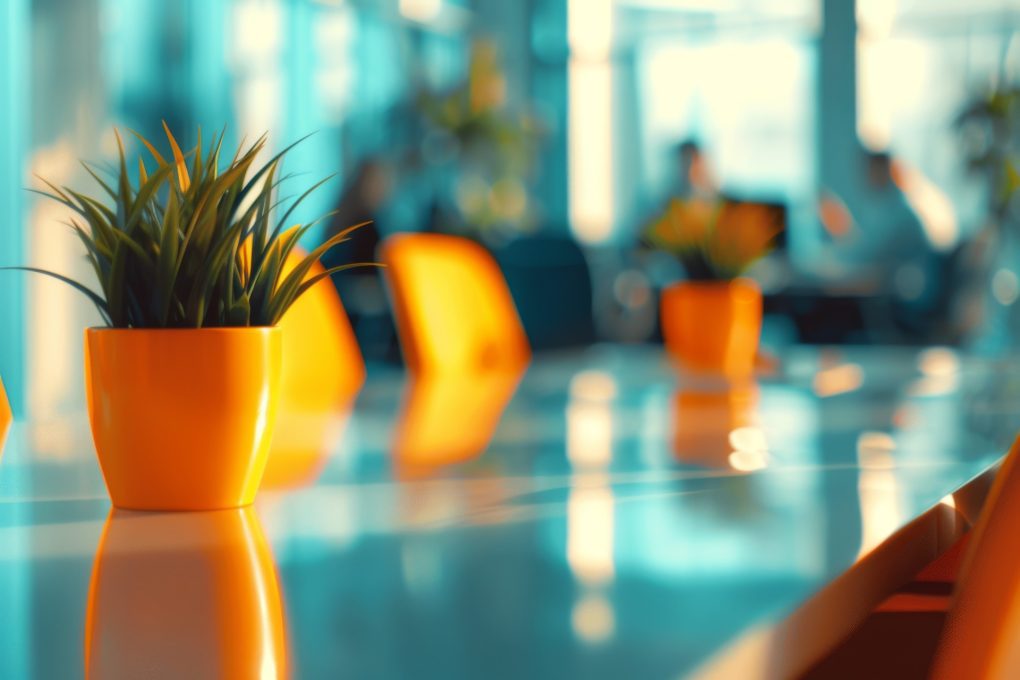
Colour psychology delves into how different colours affect human emotions and behaviours. This field has garnered substantial interest across various domains, including marketing, healthcare, and notably, office design.
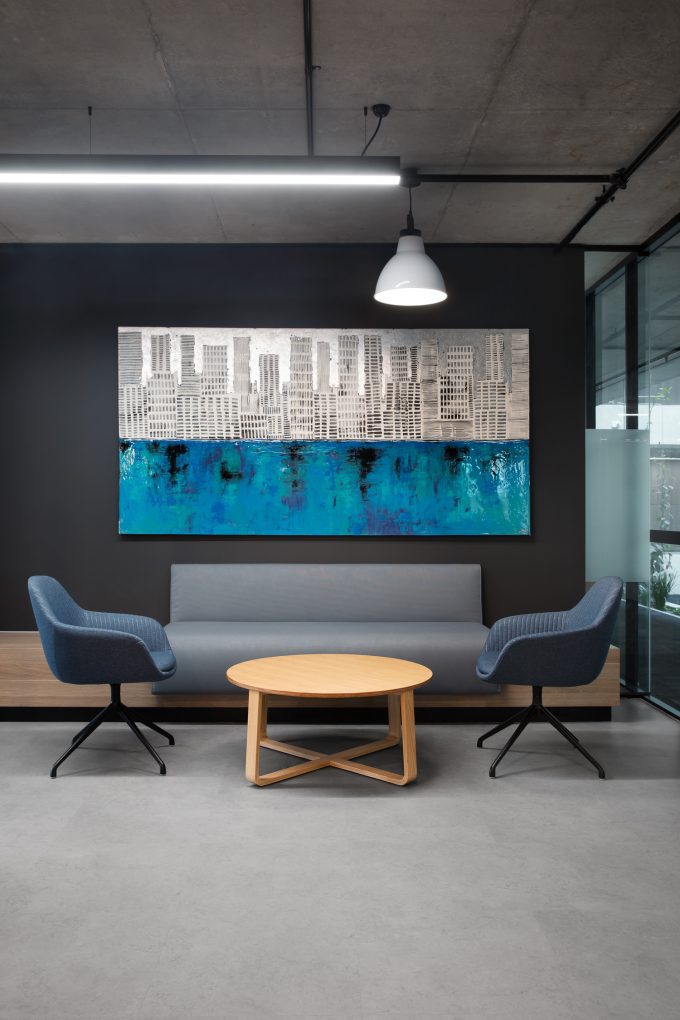
Imagine an office that intuitively welcomes everyone. It doesn’t scream “accommodation” or highlight differences; instead, it operates on a philosophy so seamless that an outsider might never notice its intent. This is the ethos of universal design—a methodology that enhances the functionality of an office for all potential users, making them feel equally valued, regardless of age, size, ability, or other factors.
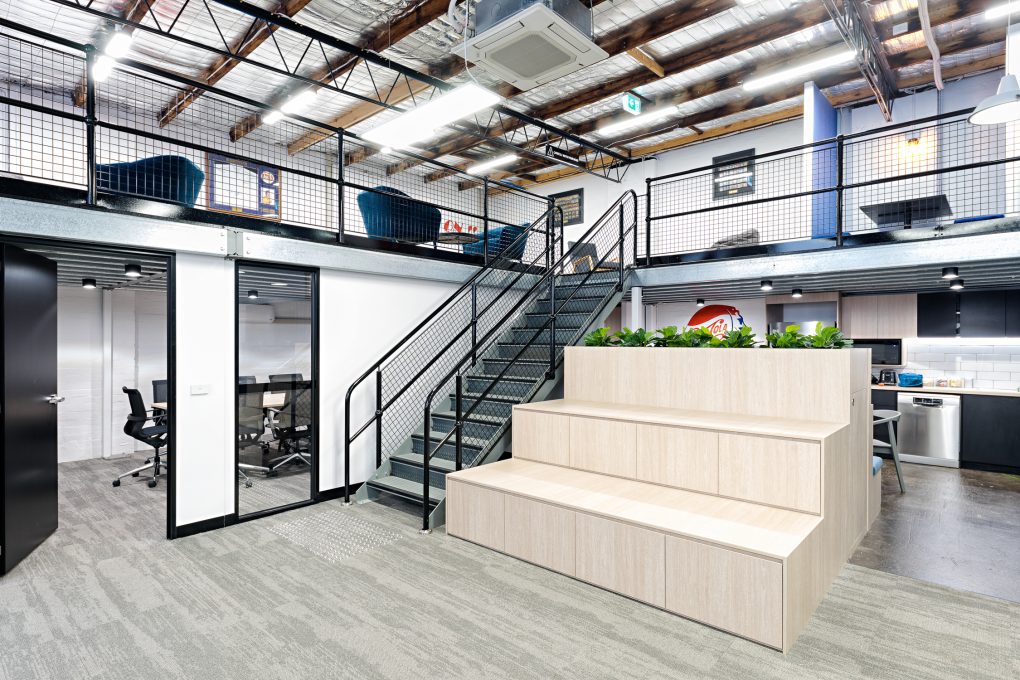
In an era where sustainability intersects with innovative design, adaptive reuse emerges as a compelling strategy in commercial architecture. This approach involves repurposing old industrial or commercial buildings into vibrant, functional spaces, breathing new life into structures that might otherwise be neglected. As businesses increasingly value uniqueness and historical character, adaptive reuse projects offer an opportunity to create distinctive and inspiring office environments.
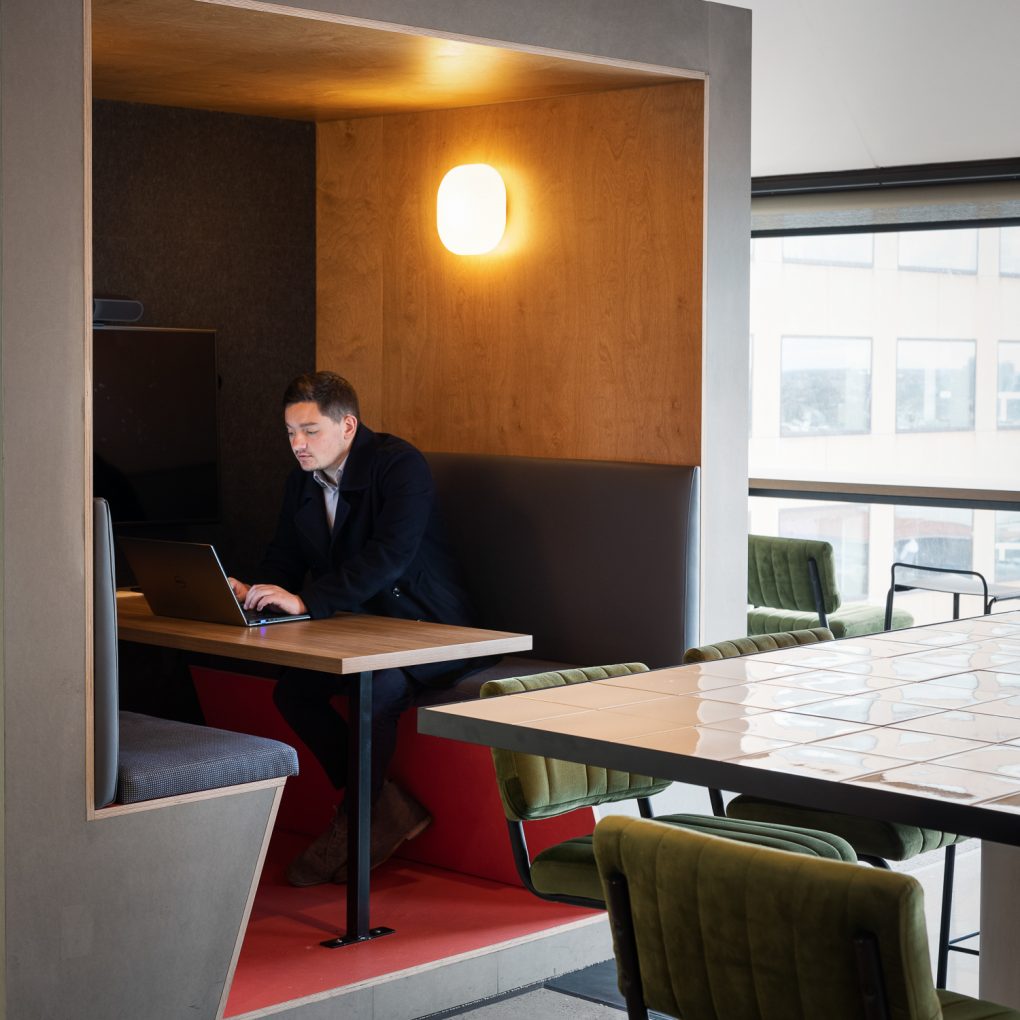
In the constantly evolving world of workplace design, there’s been a significant shift towards creating spaces that not only inspire but also foster the elusive state of “flow.” This concept, once primarily associated with artists and athletes, is now recognised as the pinnacle of productivity and well-being in the contemporary office environment.
In the quest to create more meaningful and productive work environments, the concept of psychogeography offers a fresh perspective, urging designers and organisations to consider the psychological underpinnings of office spaces.

In this article, we’ll explore the significance of workplace mental health, its impact on productivity, and provide practical strategies to foster a mentally healthy work environment. Join us as we leverage Contour Interiors’ experience and expertise to create workspaces that inspire creativity, collaboration, and support the mental well-being of your employees.